

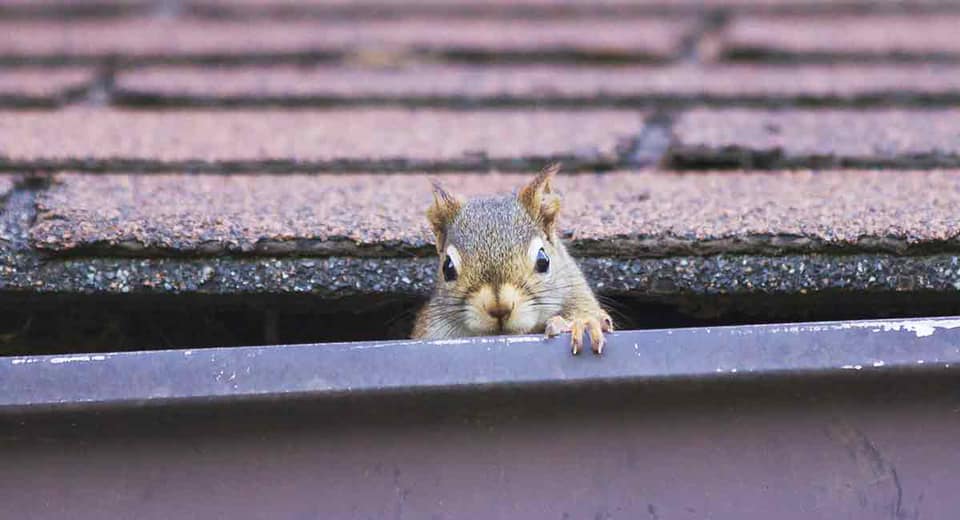
If squirrels make their way into your attic, chimney, or crawl space, they can bring more than noise and damage. Many homeowners ask the same question: Do squirrels carry diseases?
Yes, Squirrels can carry not only diseases, but also parasites that may be transmitted to people through contact with urine, feces, saliva, or contaminated materials. Bites, scratches, and exposure to ticks or fleas can also increase the risk. Knowing how exposure happens and what symptoms to watch for makes it easier to recognize a problem early.
Need Help with a Squirrel Infestation?
Find a Critter Control near you.
What Diseases Do Squirrels Have?
Squirrels are not aggressive animals, but they can still introduce health concerns when they live in or around your home. These are some of the most common squirrel diseases transmitted to humans, and the symptoms people often notice first:
Six squirrel diseases that people can get:
- Salmonellosis
- Lyme Disease
- Ringworm
- Tulameria
- Leptospirosis
- Hantavirus
Salmonellosis
Salmonella bacteria can be present in squirrel droppings and on surfaces they contaminate. People are usually exposed while cleaning or disturbing areas where squirrels have been active.
Symptoms often develop within 12 to 72 hours and may include diarrhea, abdominal cramps, fever, nausea, and vomiting. In more serious cases, dehydration or complications affecting the bloodstream can occur.
Lyme Disease
Squirrels can carry ticks that spread Lyme disease. While the squirrel does not directly transmit the illness, it supports tick populations that may end up in your yard or home.
Early signs often include fatigue, fever, headaches, and muscle or joint aches. Some people develop a bull’s-eye rash at the site of a tick bite.
Ringworm
Ringworm is a fungal infection that spreads through contact with infected animals or contaminated materials. If squirrels are nesting indoors, they can leave spores on insulation, wood, and stored belongings.
Symptoms typically appear as a red, circular rash with raised edges. The area may itch, flake, or blister over time.
Tularemia
Tularemia is a bacterial infection linked to contact with infected animals or contaminated environments. Handling a squirrel or coming into contact with affected nesting areas can increase exposure risk.
People may experience fever, swollen lymph nodes, fatigue, and skin ulcers. Depending on the mode of exposure, symptoms can also affect the eyes or the lungs.
Leptospirosis spreads through contact with urine from infected animals or through contaminated water and soil. This becomes more likely in spaces where squirrels have been nesting or traveling frequently.
Leptospirosis
Symptoms can include fever, headache, muscle aches, vomiting, and jaundice. Some infections may become more severe if exposure goes unaddressed.
Hantavirus
Hantavirus is spread through contact with rodent droppings, urine, and saliva. Most commonly, people contract hantavirus by improperly cleaning rat or mouse droppings in their homes. Well possible, squirrels rarely transmit hantavirus.
Parasites Associated with Squirrels

In addition to disease, squirrels often carry parasites that can create new problems inside the home, especially when they nest indoors.
Ticks
Ticks that feed on squirrels can drop off in attics, crawl spaces, or on pets. From there, they may attach to people and spread illnesses such as Lyme disease or Rocky Mountain spotted fever.
Common symptoms of tick-borne illnesses include fever, fatigue, headaches, and muscle aches. Some infections may also cause rashes or more serious complications over time.
Fleas
Fleas living in squirrel nests can quickly spread into surrounding areas. Once inside, they may bite both people and pets.
Flea-borne illnesses are less common but can still cause symptoms such as fever, headaches, muscle pain, and swollen lymph nodes.
Mites
Mites left in nesting materials can irritate skin upon contact. People may notice itching, redness, or a rash after handling contaminated materials or spending time in affected areas.
How Squirrel Diseases Spread
Most squirrel diseases are not spread through direct contact with the animal. The greater risk comes from the environment squirrels leave behind.
When squirrels nest indoors, they contaminate insulation, wood, and stored items with urine and droppings. Over time, these materials can dry out and become disturbed during cleaning or everyday activity.
Common exposure risks include:
- Cleaning or moving contaminated insulation or debris
- Touching surfaces affected by squirrel activity
- Handling a squirrel, especially if it is injured or trapped
- Being bitten or scratched
- Coming in contact with ticks, fleas, or mites brought into the home
Even if squirrels are no longer visible, the areas they occupied can still pose a risk.
Preventing Squirrel-Related Health Risks
Reducing exposure starts with keeping squirrels out of the areas you use every day. Avoid direct contact with squirrels and be cautious around any space where activity is suspected.
If you need to clean an affected area, protective gear such as gloves and a mask can help limit contact with contaminated materials. For larger infestations, professional cleanup and removal are often the safest option for dealing with squirrels.
You can also make your home less inviting to squirrels by:
- Sealing gaps and openings along the roofline, vents, and foundation
- Trimming tree branches away from your home
- Keeping pet food and water indoors
- Removing fallen fruits, nuts, and yard debris
Get Professional Squirrel Control
Squirrels may look harmless, but they are still wild animals. When they settle in your home, they can pose serious health and safety concerns. Trying to handle or remove them on your own increases the risk of bites, scratches, and exposure to contaminated materials.
At Critter Control, we safely and humanely remove squirrels, seal entry points, and repair areas affected by their activity. We also treat affected areas to address parasites and contamination, helping to restore a clean, safe environment.
If you suspect squirrels are in your attic, walls, or crawl space, contact us today to schedule an inspection.
Get them out.
Keep them out.®
Experiencing a wildlife or pest issue? We can help! Complete this form and your local Critter Control® office will contact you to assist.
- How to Get Rid of Squirrels
- Squirrels Entering Homes
- Squirrels in Attics
- Squirrels in Chimneys
- Squirrels on Roofs & in Soffits
- Squirrels in Walls
- Squirrels in Ventilation
- Squirrels in Gutters
- Squirrels in Crawl Spaces
- Squirrels in Yards or Gardens
- Squirrels in Trees
- Squirrels Digging Holes in the Ground
- How to Identify Squirrel Sounds
- Squirrel Tracks
- Squirrel Droppings
- Squirrel Trapping
- Squirrel Repellents & Deterrents
- Squirrel Appearance & Identification
- Species & Types of Squirrels
- Squirrel Life Cycle
- Baby Squirrels
- Squirrel Nest
- Dead Squirrels
- Squirrel Diet
- Rabid Squirrels
- Do Squirrels Hibernate?
- Gray Squirrels
- Do Squirrels Bite?
- Squirrel Damage to Your House
- Squirrels vs. Rats
- Squirrels vs. Chipmunks