

Pests & Nuisance Wildlife
Education Resources
WILDLIFE PROBLEM? WE CAN HELP.
Don’t let wildlife or pests take over your home.
Pests and nuisance wildlife in and around a home can be a stressful experience. Nuisance wildlife can pose health risks to you and your family, damage your home, and disrupt your daily life. Critter Control is your trusted partner in restoring peace and safety to your property.
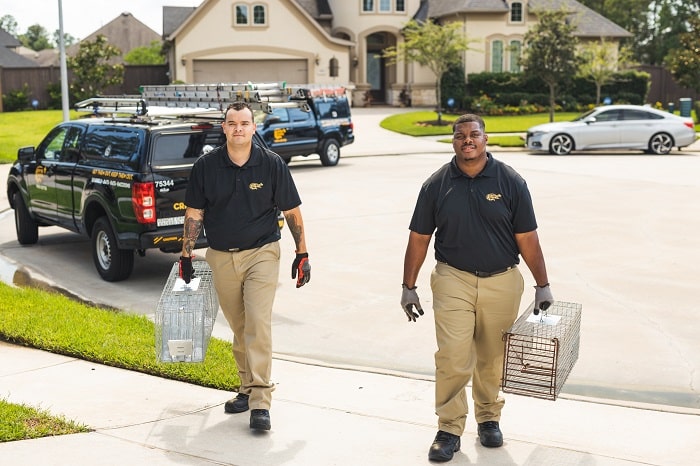
The experts at Critter Control have spent the last four decades humanely removing animals and cleaning up the mess. These resources are some of the tools the wildlife technicians use to investigate wildlife pest problems.
Identify Animal Sounds
One of the most common complaints homeowners have about nuisance wildlife is the noise! Pests like raccoons, squirrels, and rats make a ruckus living in your attics, walls, and basements.
Identify the different animal noises to help deteremine your pest infestations.
Animal in the House
Wild animals and rodents have the same needs at people- food, water, and shelter. The house that protects you is also an ideal place for wildlife to live.
Discover the most common nuisance wildlife and the most likely place they’re living inside your home.
Animal in Duct Work
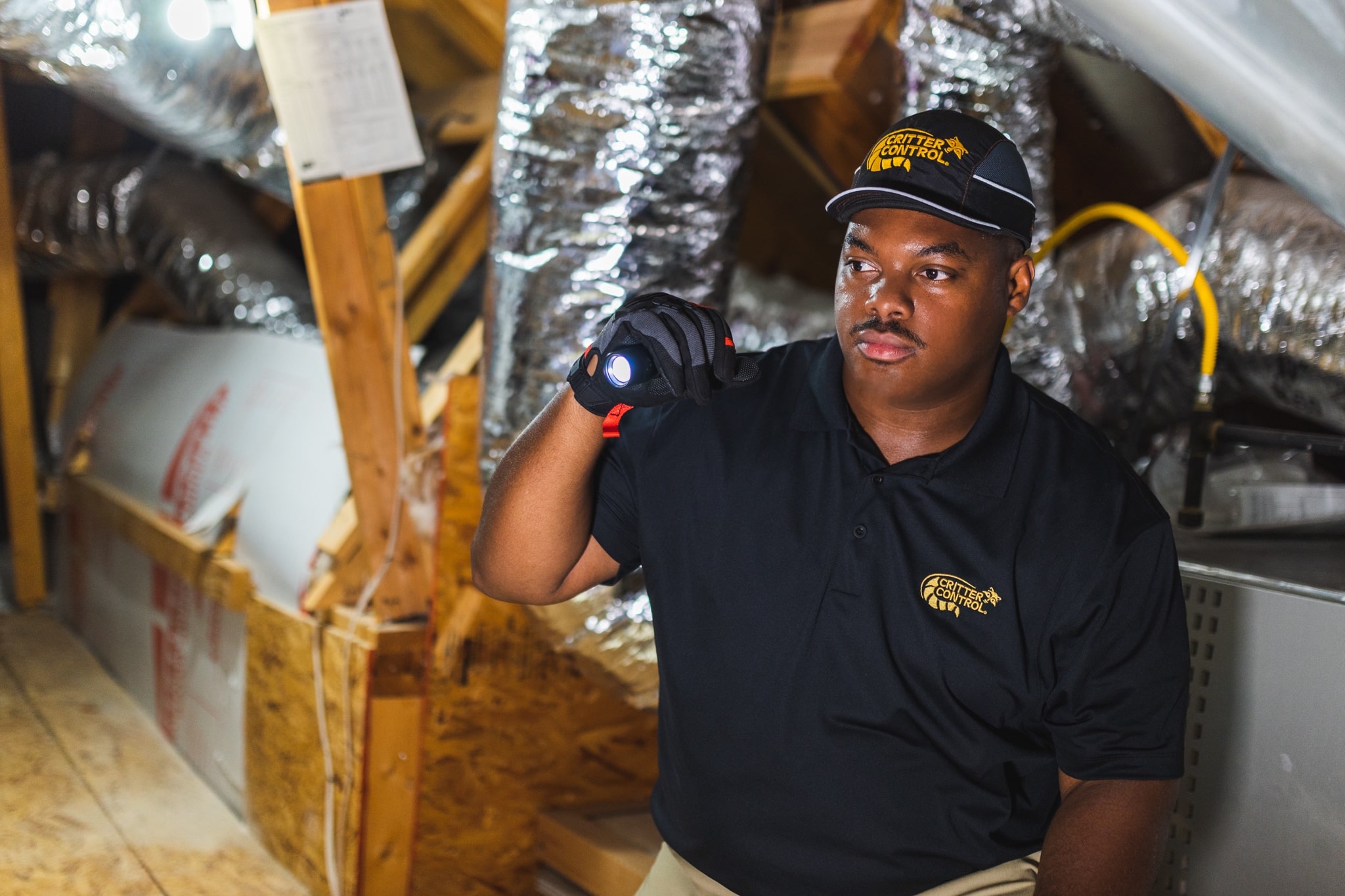
Pests, rodents, and other small animals will get inside your air ducts. The warm air venting attracts the animals like rats, birds, and bats. Once inside the vents, they can destory ductwork, contimiante them, and spread diseases.
Identify Animal Droppings
You might not see the actual pest animal in your home, but there will be evidence. Animal droppings are some of the most obvious forms of physical evidence critters like rats, mice, raccoons, and bats leave behind.
Succesfully identify animal feces can indicate what animal is in your house. From there, we can create a solution for removal.

What Animal is Living Under my House?
Critters have an uncanny knack for making their homes in less-than-ideal places. Many animals will happily make the home under the house. These critters can create dens and burrows under your porch or deck, under a shed, inside the crawlspace, or within your basement.

Wildlife Damage
Pests and nuisance wildlife will cause damage to the exterior and interior of your house. Animal damage can cause lost of power, water damage, decrease the efficiency of your insluation, or incrase the risk for house fires. Different critters cause different types of damage. Recongizing what type of damage you have can lead to properly identify the nuisance wildife or pests.

Pests and Nuisance Wildlife Gallery
Explore our critter gallery to help identify some of the most common nuisance wildlife.
Recent Blog Posts
- Step-by-Step Raccoon Removal in BeaumontHomeowners in Beaumont were hearing a ruckus on their roof and in their attic late at night. Feeling nervous, they called us to investigate what could be causing this. We found evidence of a raccoon. There was a large hole under the roof return. Inside the attic, there was damaged insulation from droppings. To make… Read more: Step-by-Step Raccoon Removal in Beaumont
- Summer Wildlife in Green BaySummer in Green Bay means more time outdoors—backyard barbecues, hiking, camping, and enjoying Wisconsin’s beautiful natural spaces. But you’re not the only one taking advantage of the warm weather. Wildlife activity peaks in the summer, and while many animals are harmless from a distance, some can cause problems if they move too close to home. At Critter Control in Green… Read more: Summer Wildlife in Green Bay
- Juvenile Raccoons in the Attic in DetroitLast week, a homeowner was hearing noises in their attic and called us to investigate. The homeowners were in the process of closing on the home, so resolving the issue was critical. We initially attempted to evict the fluid, but it was unsuccessful, so we proceeded with trapping the female raccoon. The juveniles were located… Read more: Juvenile Raccoons in the Attic in Detroit
- Summer and Rabies Risks in WisconsinAs summer arrives in Green Bay, people and wildlife alike become more active. Longer days and warmer weather mean more time spent outdoors, but they also bring a spike in wildlife encounters—some of which can pose serious health risks. One of the most concerning dangers during the summer months is exposure to rabies. Rabies is a viral… Read more: Summer and Rabies Risks in Wisconsin
- Spring and Summertime Critters in the Pacific NorthwestSpring is the time when leaves turn green; daffodils, tulips, and lilacs bloom; grass starts growing, and love is in the air for those pesky critters. With urban sprawl all around us, critters such as birds, squirrels and raccoons have adapted to co-exist with humans by nesting in attics or crawlspaces, chimneys, in or under… Read more: Spring and Summertime Critters in the Pacific Northwest
- Critter Activity in Fall and Winter in the Pacific NorthwestWith the onset of our region’s rainy weather, we at Critter Control have noticed that, especially at this time of year, critters are starting to look for warm places to stay as it gets colder. This is a great time to conduct a comprehensive preventive inspection of the home. This includes looking for weakened foundation,… Read more: Critter Activity in Fall and Winter in the Pacific Northwest
- Seattle Wildlife Calendar CalendarHere at Critter Control, we have noticed several patterns in wildlife in the Pacific Northwest. Contrary to popular belief, it’s not just breeding/baby season when animals are active. Hover over a month to see common critters during that season. Click on a critter to learn more detailed information. Wildlife Activity in Spring Spring is the… Read more: Seattle Wildlife Calendar Calendar
- Inspection for Mice – How Mice Get Inside the CeilingFollow along as Jesse Fraser, owner of Critter Control of New Hampshire, explains how mice get into the house and up into a bedroom ceiling. These homeowners were not hearing anything, but they were noticing a particular odor associated with mice.
- How Far Can Squirrels Jump? Watch to Find OutAs squirrels spend their days running up and down trees and jumping from branch to branch, they have a bird’s-eye view of your roof and its weaknesses. Squirrels can jump four feet vertically and jump six to eight feet horizontally. Squirrels can theoretically survive a fall from any height! Video courtesy of Critter Control in Portland,… Read more: How Far Can Squirrels Jump? Watch to Find Out